loader image

Why We’ve Gone Screen-Free And Why It Matters More Than Ever

We've always been passionate about helping children connect with the world around them. And as of this year, we're proud to say we're officially a screen-free camp!!

This means our staff (except for essential camp leaders) will not be using phones while on camp, and while children can bring a phone and leave it in their bag if needed.
Our leaders will just use camp iPads for check in and check out purposes.

Screens are part of nearly every moment. But we also know that stepping away from them – even for a short while – can have a powerful impact on children's wellbeing, development, and ability to connect.

In his powerful new book The Anxious Generation, social psychologist Jonathan Haidt explores how the rise of smartphones and social media has contributed to the dramatic increase in anxiety, depression, and loneliness among young people. He makes a strong, evidence-based case for giving kids a "phone-free childhood" and we couldn't agree more.

Haidt's research shows that face-to-face play, outdoor exploration, and time in nature are critical to children's social development and mental health. These aren't just nice-to-haves, they are foundational experiences that help young people thrive.

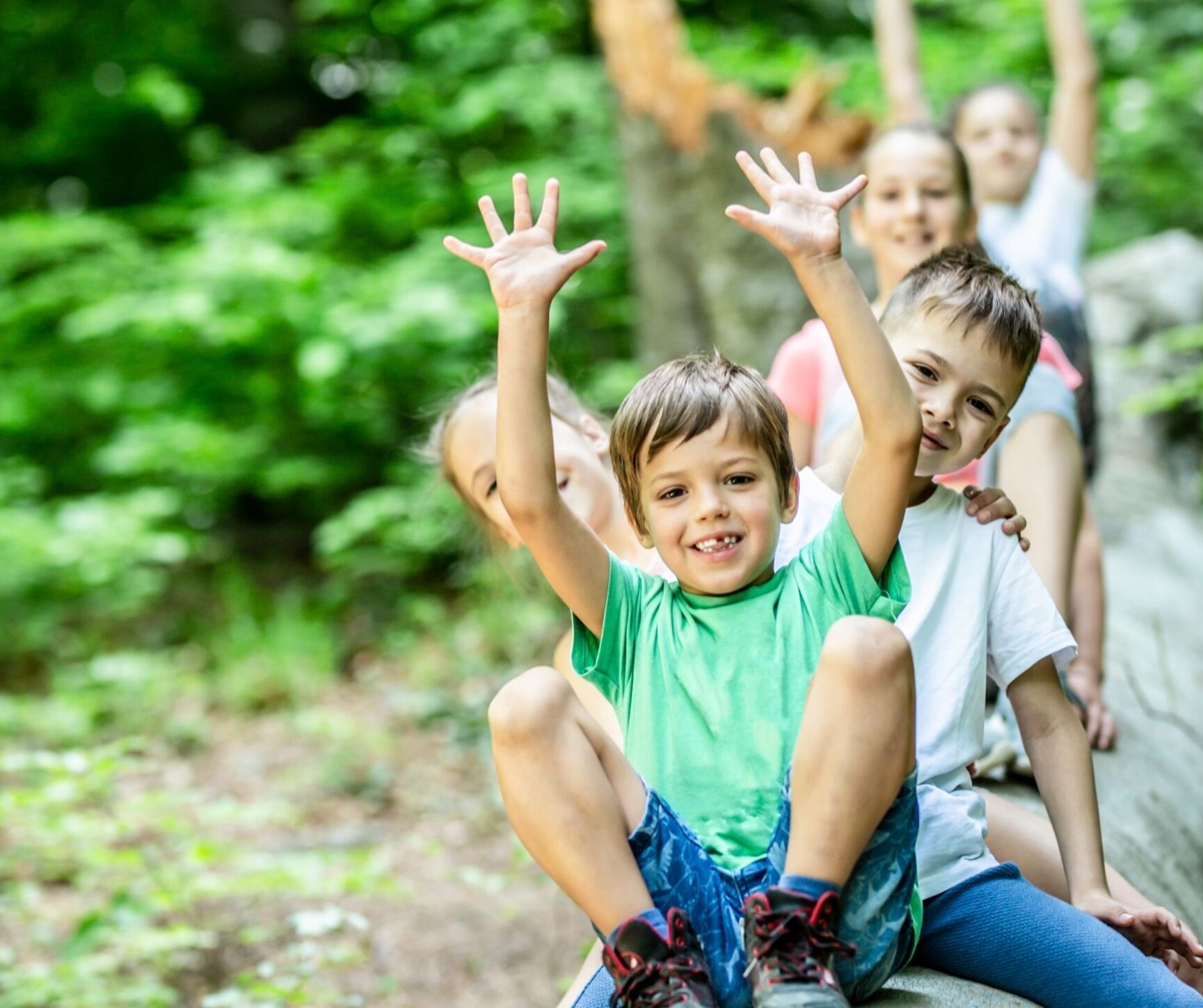
Children today are spending more time on screens than ever before. According to Ofcom, the average 5- to 16-year-old in the UK spends nearly 6.3 hours per day in front of a screen. And by the age of seven, children will have spent the equivalent of one full year of their lives on screens.

That's a lot of time not spent outside, not interacting face-to-face, and not building the confidence, creativity and resilience we see develop in nature-based environments.

Being screen-free helps children:

Build deeper friendships through uninterrupted conversations and shared activities

Increase focus and creativity without constant digital distractions

Connect with nature, which has proven benefits for mental health, emotional regulation, and physical wellbeing

Develop independence, confidence and problem-solving skills all in real-world settings.

We're not anti-technology, we're pro-intention. Our team will always have phones available in case of emergency or logistics. But during the day, our staff are fully present with the children, and our camps are designed to offer rich, engaging, real-life experiences that don't rely on screens.

For children who bring a phone, we simply ask that it stays in their bag. They won't need it – they'll be too busy building dens, learning survival skills, sharing stories around the fire, and being kids in the truest sense.

We also understand that friendships made at camp can be lifelong, and we don't want kids to miss out on keeping in touch just because they didn't swap numbers in time. If your child made a new friend and didn't get their details, get in touch, we're more than happy to help reconnect families.
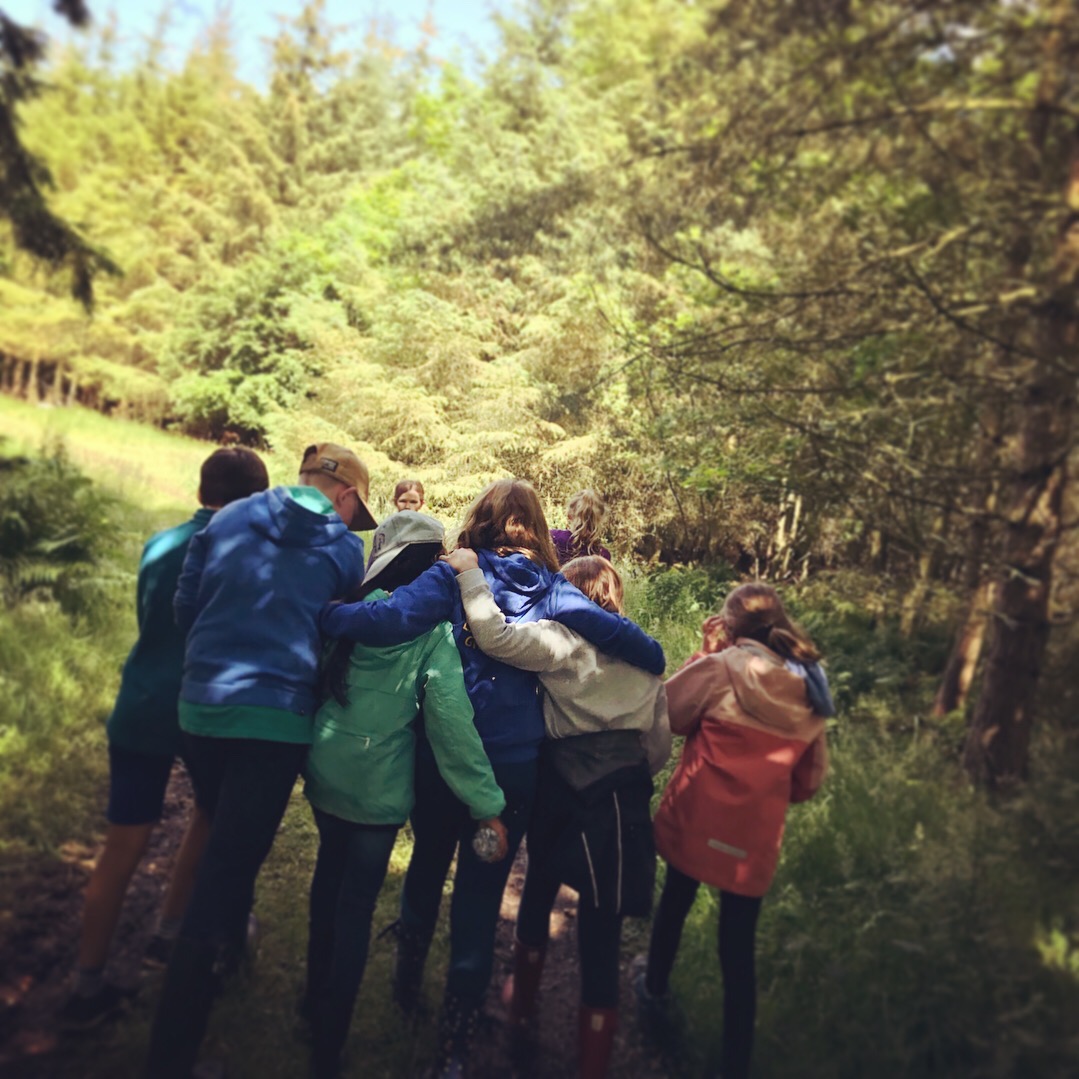
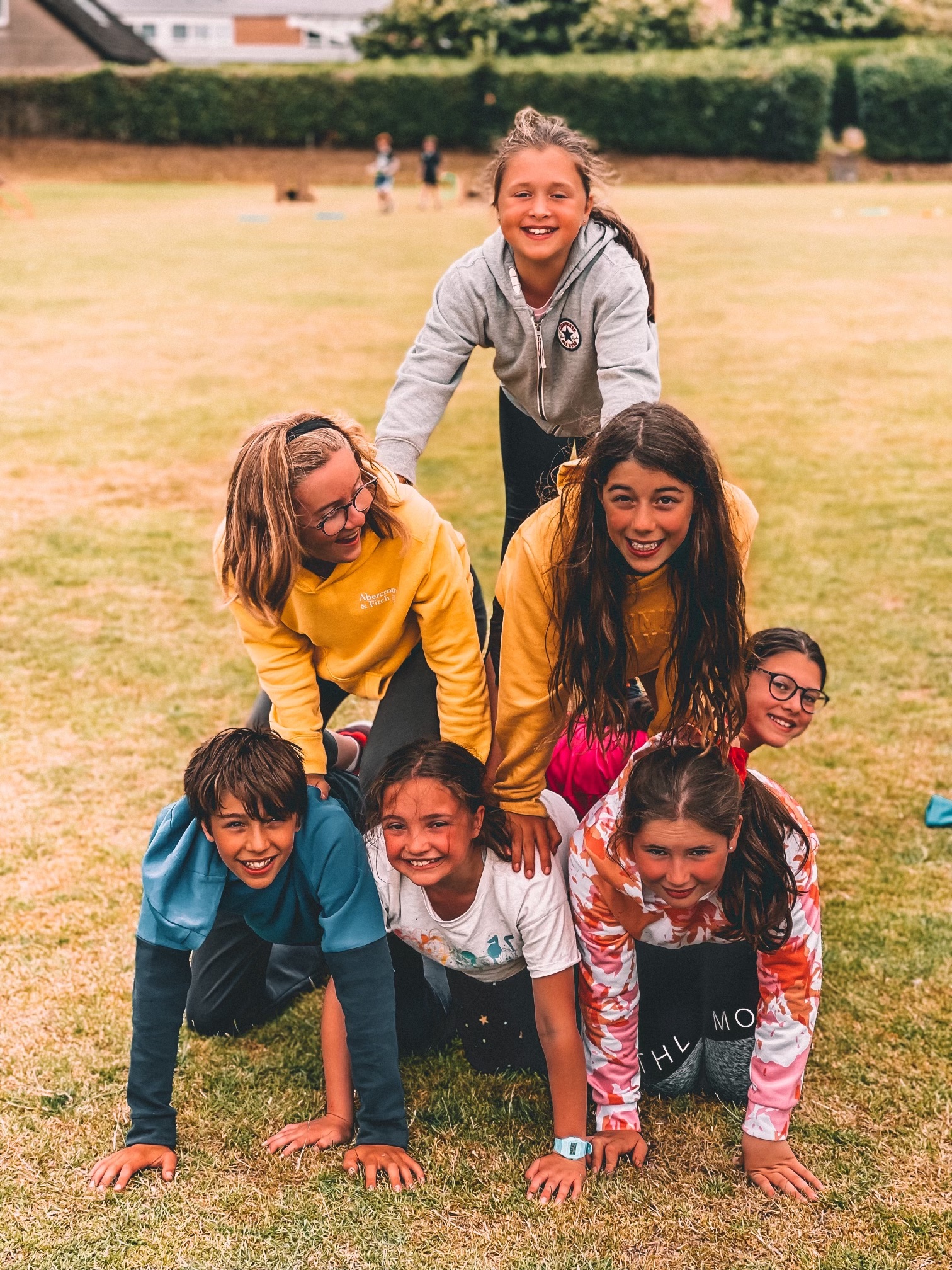
We'd love to see more schools, companies, educators, and families embrace screen-free time, especially in outdoor and developmental spaces.

In a world that's always online, we're creating space to be truly present. And we can't wait to see the difference it makes.

We know navigating screen time isn't easy. If you're interested in learning more about how to support your children in a screen-conscious world, here are some excellent starting points:

1.The Anxious Generation by Jonathan Haidt – A must-read for understanding the mental health crisis affecting today's youth and what we can do about it.

https://jonathanhaidt.com/anxious-generation/

2. Smart Phone Free Childhood
https://smartphonefreechildhood.co.uk/

3. The Children's Commissioner for England – Digital Childhood Report
https://www.childrenscommissioner.gov.uk/blog/the-childrens-commissioner-publishes-digital-childhoods-a-survey-of-children-and-parents/

4. 1000 Hours Outside

https://www.1000hoursoutside.com/

Please feel free to share any information with us also.

It is the small changes that make the biggest difference.
February Break Activities

We believe stories have the power to inspire children, connecting them to nature in exciting and imaginative ways. One of our favorite books to bring to life outdoors is Stick Man by Julia Donaldson, a heartwarming and adventurous tale that celebrates resilience, family, and the wonders of the natural world.

If you haven't read Stick Man yet, it follows the journey of a loyal wooden hero who gets swept away from his family tree. Along the way, he encounters all sorts of challenges, from a playful dog to a determined swan and even a roaring fireplace! But through perseverance, luck, and a little help from Santa, Stick Man finds his way home just in time for Christmas.
The story is full of themes that we love to explore in the outdoors—imagination, resourcefulness, and the magic of nature. And what better way to experience the book than by heading outside to discover the world of sticks, trees, and woodland creatures for ourselves?

Explore the Stick Man Trail in Scotland

For families looking to bring Stick Man to life, the Polbeth and West Calder Community Garden hosts a self-guided Stick Man Activity Trail inspired by Julia Donaldson's beloved character. Located at Parkhead Farm, Limefield Road, West Calder, this trail is designed for children aged 3 to 7, encouraging them to explore the natural world and learn about how things grow.

The Stick Man Trail is open year-round and can be accessed anytime from the garden's car park. Featuring fun activities linked to the story, it's the perfect way to engage young adventurers while helping them develop a love for the outdoors this February break!

Outdoor Activities Inspired by Stick Man!
If you can't make it to the Stick Man Trail, don't worry! Here are some fun ways to bring Stick Man to life on your outdoor adventure this year!

Create Your Own Stick Man!
Encourage children to find the perfect stick and decorate it with leaves, twigs, or even a bit of string to create their very own Stick Man.

Stick Adventures!
Just like in the book, a stick can become anything—a boat, a flagpole, a sword, or even a bridge! Challenge children to use their sticks in different ways and come up with their own adventure stories.

One of our Favourites - Build a Stick House/Den!
Gather sticks and leaves to create a cosy "family tree" home for Stick Man. This is a great way to practice problem-solving and teamwork while learning about natural shelters!

Nature Treasure Hunt!
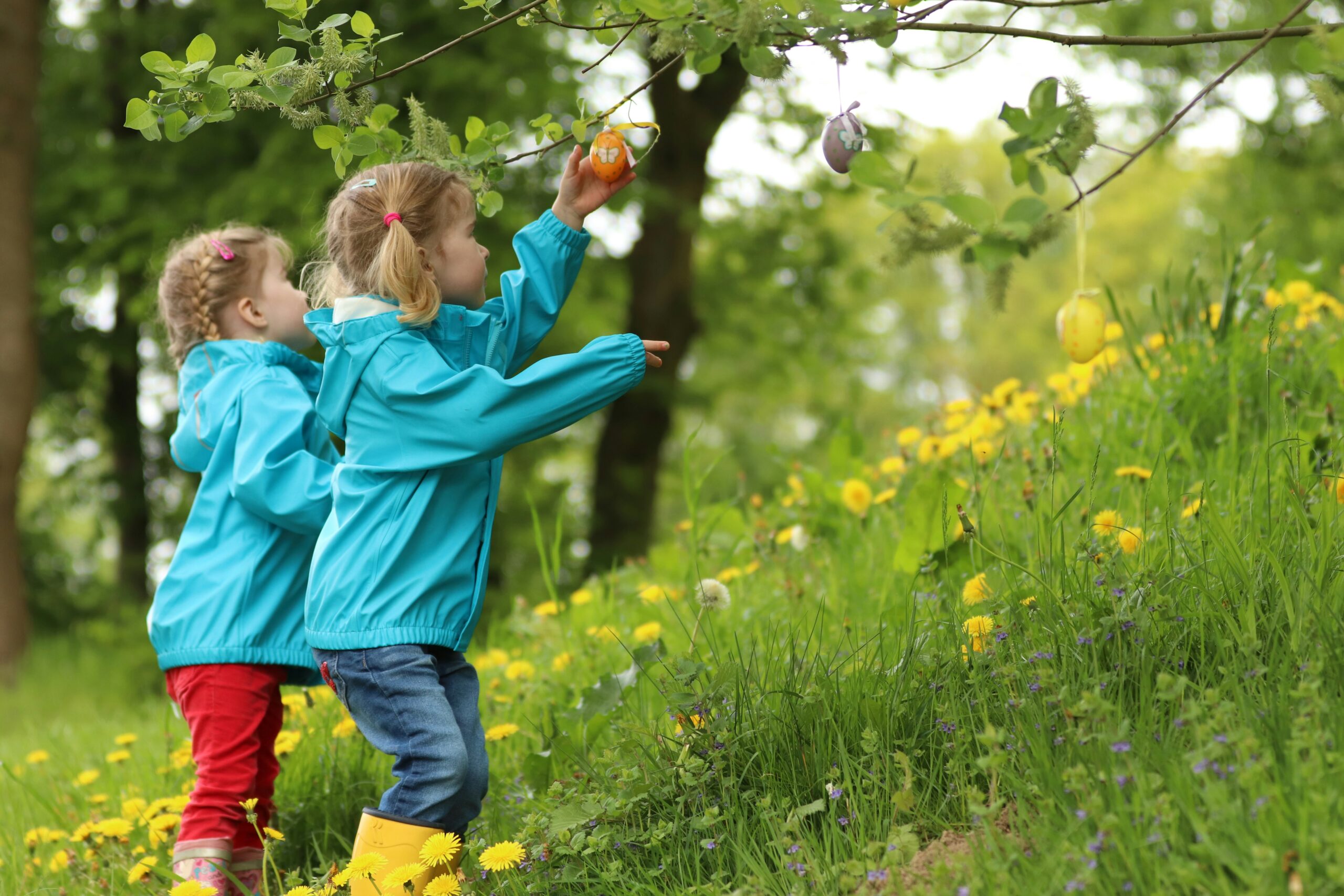
Make a list of natural objects from the story (sticks, leaves, nests, footprints) and go on a scavenger hunt to find them. This helps children develop observation skills and an appreciation for the small wonders of the outdoors.

Stick Races in a Stream!
Grab a Pooh stick!
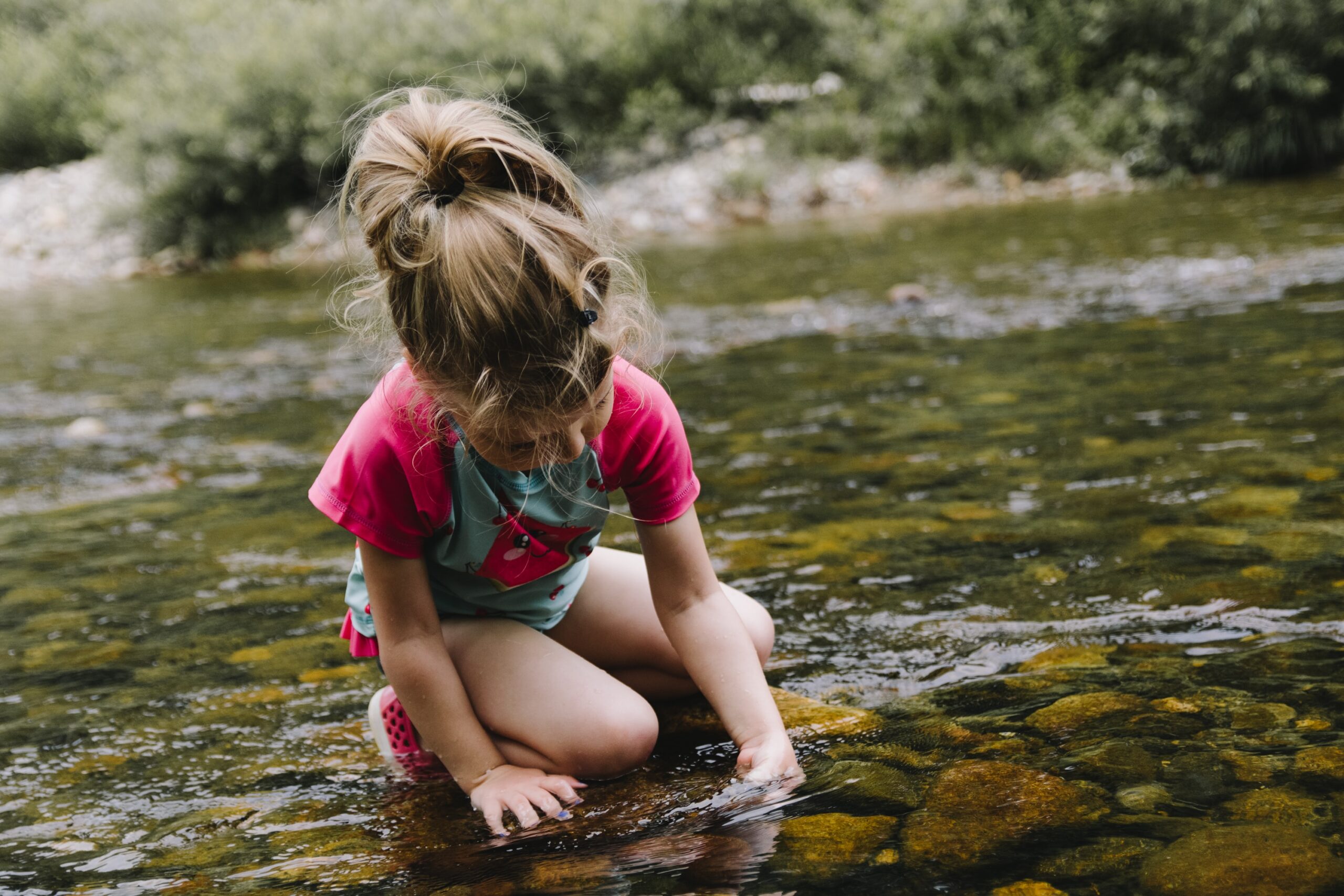
If you're near a stream/river, safely let children race their Stick Men in the water, just like in the book. This activity brings a hands-on understanding of how water flows and adds an extra element of adventure.

The Magic of Outdoor Storytelling!
Reading Stick Man in nature makes the story even more magical. Whether sitting under a big tree, by a crackling campfire, or on a windy beach, the great outdoors is the perfect setting to spark imagination and curiosity!

So, the next time you head outside, why not visit the Stick Man Trail in West Calder or create your own stickman adventure? You never know what kind of Stick Man you might find!

To participate in our outdoor camps, where we will be doing some of these fun activities please visit below for more details: https://thewildoutdoors.org/locations/

Wishing you happy, hearty adventures!

Celebrating International Mud Day: Embracing the Joy of Mud Play for Kids

Every year on June 29, children around the world are encouraged to embrace the messiness and joy of playing in the mud as part of International Mud Day! This unique celebration offers a wonderful opportunity for kids to connect with nature, experience uninhibited play, and reap numerous developmental benefits. Let's dive into the muddy fun and explore why getting dirty is good for kids.
International Mud Day began in 2009, thanks to the vision of two educators from Nepal and Australia. Their goal was to create a day that brings children together through the simple and universal pleasure of playing in the mud. Since then, the event has grown, inviting children from different cultures and backgrounds to participate in this messy, joyful celebration.

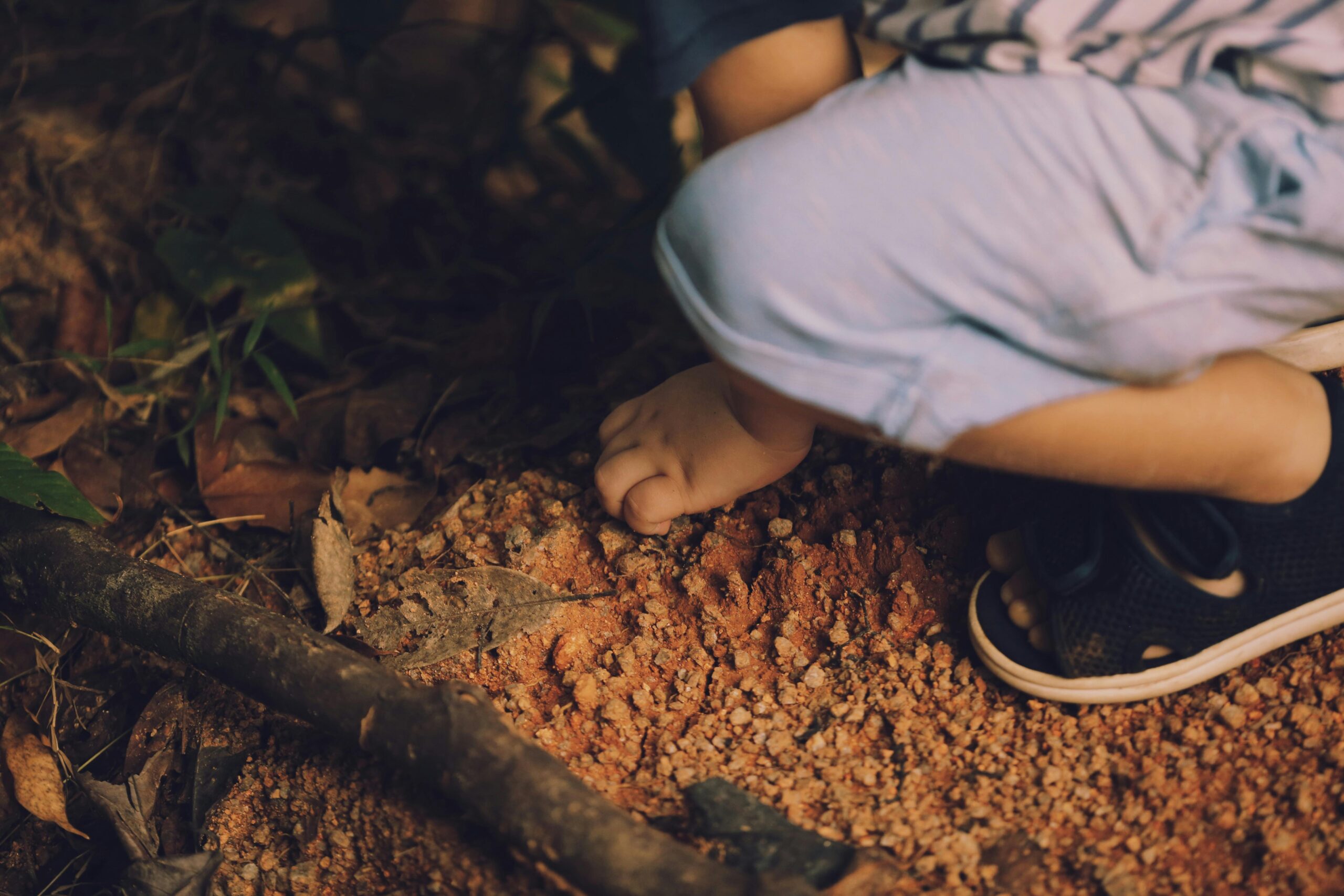
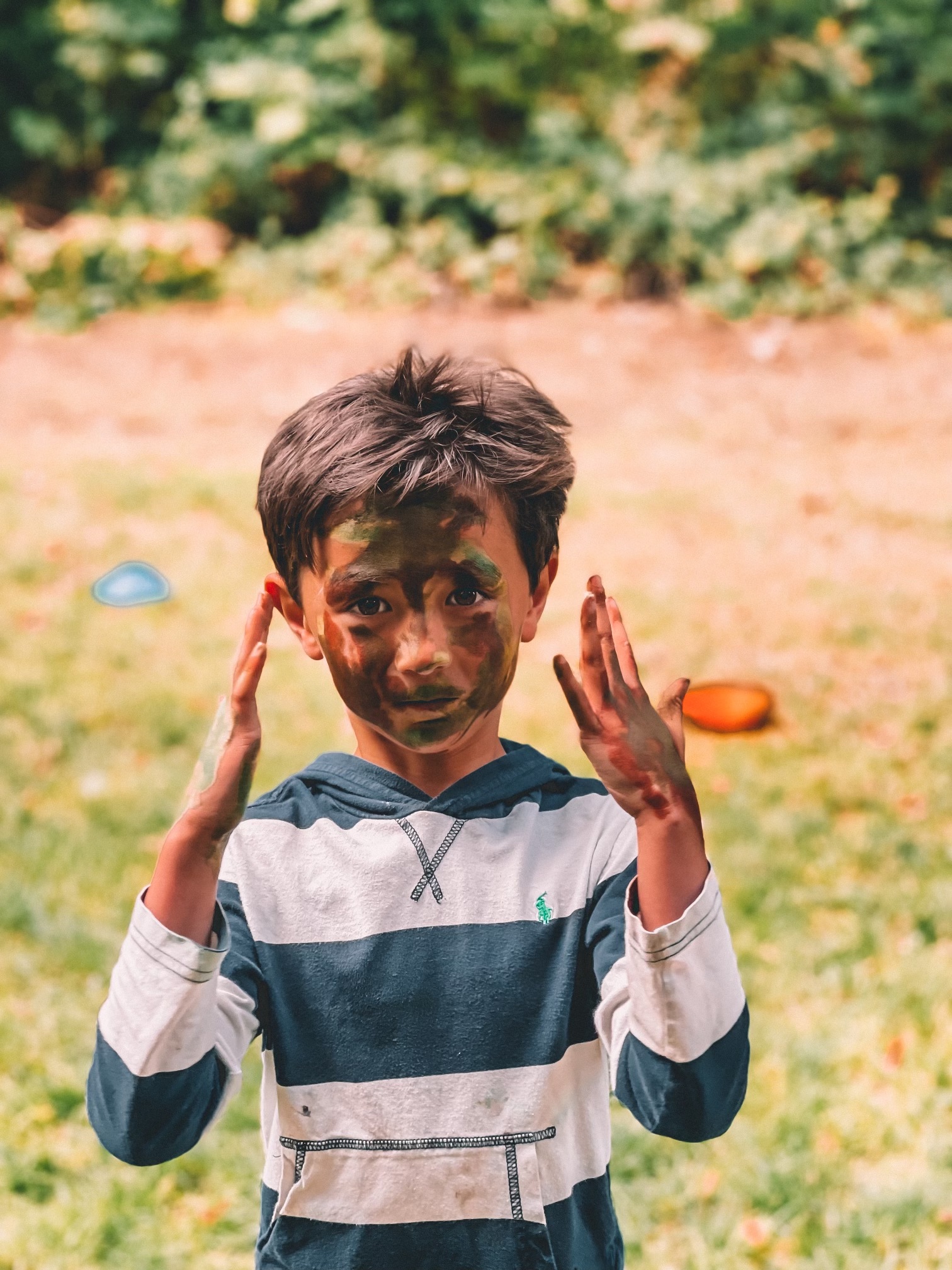
Mud play is more than just a fun activity; it's an experience that engages all the senses. Children get to feel the cool, squishy texture of mud, smell the earthy scent, and see the variety of shapes and patterns they can create. This sensory-rich experience is beneficial for children's cognitive and emotional development.

Fine Motor Skills:Playing with mud involves actions like scooping, moulding, and patting, which help enhance fine motor skills and hand-eye coordination.
Gross Motor Skills: Running, jumping, and crawling in the mud provide excellent exercise, improving overall physical fitness and gross motor skills.
Creativity and Imagination:
Mud is a versatile medium that can be moulded into anything a child imagines—from mud pies and castles to sculptures and pretend cakes. This open-ended play boosts creativity and imaginative thinking.

Emotional Well-being
Engaging in free, unstructured play in nature has been shown to reduce stress and anxiety in children. Mud play, with its inherently carefree and joyful nature, is particularly effective in benefitting emotional well-being.
Social Skills:
Mud play is always better with friends which encourages children to work together, share tools, and communicate effectively. These interactions help develop important social skills such as cooperation, negotiation, and empathy!

Connection to Nature:
Spending time in nature and engaging directly with the earth fosters a sense of connection and responsibility toward the environment. Mud play is an excellent way to instill a love and appreciation for nature in children from a young age. Embrace the mess and our perfect wet climate for mud!
Boosting the Immune System:
Exposure to the natural microbes found in mud can actually strengthen your Childs immune systems. Playing in the dirt helps build a healthy microbiome, which is beneficial for overall health, dirt is good for you!

Celebrate by:
Organising Mud Play Activities: Set up a mud kitchen, create a mud obstacle course, or simply provide an area where kids can dig and play freely!
Joining in and talking about the benefits of playing in nature and the importance of protecting the environment is important for children to hear and see!
Let go of the worry about dirt and mess and embrace the joy that comes with mud play. International Mud Day is a reminder of the simple pleasures of childhood and the many benefits that come with getting a little dirty. So, put on some old clothes, step outside, and let the mud adventures begin!

By celebrating International Mud Day, we can give our children the gift of happy, messy memories, valuable life skills, and a lasting love for the natural world.

The Importance Of Risky Play: Why Your Child Needs To Take A Leap.

In the realm of scraped knees and towering tree climbs, there exists a vital component of childhood development often overlooked in today's safety-first culture: risky play. While the term might initially cause a stir among parents, understanding the benefits of allowing children to engage in play that challenges them physically and mentally is crucial. It's about letting them test boundaries, solve problems, and grow in confidence. Here's why risky play is not just beneficial but essential for your child's development.

Tight rope walking

In the realm of scraped knees and towering tree climbs, there exists a vital component of childhood development often overlooked in today's safety-first culture: risky play. While the term might initially cause a stir among parents, understanding the benefits of allowing children to engage in play that challenges them physically and mentally is crucial. It's about letting them test boundaries, solve problems, and grow in confidence. Here's why risky play is not just beneficial but essential for your child's development.

Defining Risky Play:
Risky play is any play activity that allows children to explore their limits, take physical or emotional risks, and potentially navigate minor injuries. This could include climbing trees, jumping from heights, balancing on logs, or navigating uneven terrains on a bike. It's the type of play that induces a mix of fear and excitement, pushing children to learn new skills and assess risks.

Physical Development:
Engaging in risky play has direct benefits on children's physical health. It encourages them to move more, testing their balance, strength, and agility. This not only improves their physical fitness but also their coordination and motor skills. By navigating physical challenges, children learn to assess their own abilities and limits, which can reduce the risk of serious injuries in the long run by developing a keen sense of their physical boundaries.

Mental and Emotional Growth:
Risky play is not just about the physical. It plays a crucial role in children's mental and emotional development. The thrill of taking risks and succeeding boosts self-esteem and resilience, teaching children that falling and getting back up—literally and figuratively—is part of learning and growing. It fosters a mindset of perseverance and courage, qualities that are invaluable throughout life.

Risk Assessment Skills:
One of the most critical skills that children develop through risky play is the ability to assess and manage risk. By facing physical challenges, children learn to judge what is safe and what is not, developing critical thinking and decision-making skills. This risk management ability is a fundamental life skill, ensuring that as they grow, they can make safer and more informed choices.

Independence and Problem-Solving
Risky play often requires children to navigate challenges independently or with minimal adult intervention. This autonomy in play allows children to experiment with different strategies for overcoming obstacles, enhancing their problem-solving skills. It encourages creativity and innovation, as they must think outside the box to navigate the play space successfully.

Fostering a Connection with Nature
Many risky play activities are outdoor-based, encouraging children to interact with and appreciate the natural environment. Climbing trees, for example, not only tests their limits but also brings them closer to nature, fostering an early appreciation for the environment and its preservation.

Finding the Balance:
It's crucial for parents and caregivers to find a balance between providing safe boundaries and allowing the freedom to engage in risky play. Supervision is key, but it's equally important not to intervene at every minor stumble. Providing opportunities for risky play, whether in your backyard, at the park, or through structured programs like those offered by The Wild Outdoors, can enrich your child's development significantly.

Conclusion:
Risky play challenges the overprotective instincts we naturally harbour as parents and educators but embracing it can unlock a world of developmental benefits for children. It's about allowing them the freedom to explore, learn from their experiences, and grow into well-rounded individuals capable of navigating the world's complexities. So next time your child wants to leap, climb, or explore a little further, take a deep breath and let them discover just how capable they truly are. After all, the greatest adventures and lessons, come from taking that leap!

What To Bring To Camps & Overnight Camps

Preparing for our outdoor camps for children during spring, summer and Autumn requires planning to ensure your children have a safe and enjoyable experience.

From clothing gear to essentials, packing right leads to a happy adventure. Here's a guide to help you ensure your children are well-prepared for their outdoor adventures with us!

Clothing:

1.Layers: Pack lightweight, breathable clothing that can be layered for changing weather conditions. Include items like t-shirts, long-sleeve shirts, lightweight pants, shorts, jumpers or jackets.

2.Rain Gear: A waterproof jacket and pants are essential, especially for spring/Autumn weather when rain showers are common.

3.Swimwear & A Towel: During the Summer months, don't forget swimsuits/shorts/T-shirt and towels as many water activities are part of our camp itinerary, such as water battles!

4.Hats and Sunglasses: Protect your child from the sun with hats and UV-protective sunglasses!

5.Shoes: Comfortable, shoes suitable for hiking and outdoor activities are a must! Don't forget extra socks!

6.Please provide a Snack & packed lunch, with plenty of water! (WE ARE A NUT FREE CAMP)

7.Emergency Contacts: Make sure all emergency contact information is updated on your account, including phone numbers and any relevant medical information about your child.

Over Night Camps

1.Backpack: Choose a lightweight, comfortable backpack that your child can easily carry to hold their belongings.

2. Sleeping Bag, roll matt & pillow. When camping overnight, ensure your child has a sleeping bag appropriate for the temperature and a sleeping matt for comfort.
3.Headlamp: Essential for navigating in the dark and for evening activities.

4.A Reusable Water Bottle: We always encourage hydration with a durable, refillable water bottle.

5. Sunscreen and Insect Spray: Protect against sunburn and Insect bites with sunscreen and insect repellent.

6. Any Medication necessary. (please make us aware Prior by filling out information on your account)

7.Snacks: Pack healthy snacks like granola bars and fruit to keep your child energised throughout the day. Please avoid nuts as we are a nut free camp.

Miscellaneous

1.Personal Hygiene Items: Toothbrush, toothpaste, soap, shampoo, and any other personal hygiene items your child may need.

2.Comfort Items: If your child has a favorite stuffed animal, blanket, or other comfort item, consider allowing them to bring it for familiarity and comfort during their stay.

By packing these essentials, parents can ensure that their children are prepared for outdoor camps during spring and summer. Remember to email us if you have any questions or concerns and involve your child in the packing process to get them excited about their outdoor adventure!

Please refer to our FAQ's for more insight and email us if you have any further questions.

info@thewildoutdoors.org

Creative Ways To Get Your Kids Away From Screens And Outdoors

In today's digital age, it can be challenging to tear kids away from screens and encourage them to embrace the outdoors. However, spending time in nature offers numerous physical, mental, and emotional benefits for children. We have compiled some tips to encourage less screen time and more adventure time!

teenagers outdoors away from screens

Lead By Example

Children often mimic their parents' behaviour, so make sure you're setting a good example by spending time outdoors yourself and away from your phone! Whether it's gardening, hiking, or simply taking a walk in the park, show your kids that being outside is enjoyable.

Create Outdoor Tradition: Establishing regular outdoor activities can make it easier for kids to disconnect from screens. Whether it's a weekly family hike, a monthly camping trip, or a daily after-dinner walk, having a routine will make outdoor time feel like a natural part of their day.

Make It a Game: Turn outdoor activities into fun games to capture your children's interest. Whether it's a scavenger hunt, a nature bingo, or a game of tag, adding an element of competition can make outdoor time exciting and engaging.

Invest in Outdoor Gear

Equip your kids with the right gear to make outdoor adventures more enjoyable. Whether it's a pair of comfortable welly boots or a rain jacket, having the right equipment can make outdoor activities more comfortable and enjoyable.

Explore New Places: Take your kids on adventures to explore new outdoor spaces. Whether it's a national park, a local walk, or even a playground, exposing them to different outdoor environments can spark their curiosity and sense of adventure.

Encourage Creativity: Provide opportunities for your kids to express their creativity outdoors. Whether it's painting rocks, building forts, or creating nature-inspired art, tapping into their imagination can make outdoor time more enjoyable and fulfilling.

Limit Screen Time

Set clear limits on screen time to encourage your kids to spend more time outdoors. Establishing screen-free hours or designating certain days as "tech-free" can help create opportunities for outdoor exploration and play.

Involve Them in Planning: Let your kids have a say in choosing outdoor activities. Whether it's picking a new walk to explore or planning a picnic in a park, involving them in the decision-making process can increase their enthusiasm and sense of ownership over outdoor time.

Embrace Seasonal Activities: Take advantage of the changing seasons to introduce your kids to a variety of outdoor activities. Whether it's snowball fights in the winter, swimming in the summer, or jumping in leaf piles in Autumn embracing seasonal activities can keep outdoor time fresh and exciting.

Celebrate Achievements

Celebrate your children's outdoor accomplishments, no matter how small. Whether it's reaching the top of a Munro, spotting a rare bird, or mastering a new outdoor skill, acknowledging their achievements can boost their confidence and motivation to spend more time outdoors.

Helping kids disconnect from screens and embrace the outdoors is a rewarding journey that requires patience, creativity, and persistence. By implementing these strategies, parents can inspire their children to develop a lifelong love for nature and all the wonders it has to offer. Encorporating outdoor activities into your teen's routine doesn't have to be complicated. You can encourage your children to spend more time in nature while still respecting their love for screens. So start small, find what works for your family, and enjoy the benefits of outdoor adventures together. Happy exploring!

Springtime Fun – Engaging Hands – On Activities For Parents & Kids.

Spring is a wonderful time for parents to engage with their children in fun and educational activities. From exploring nature to getting their hands dirty with creative projects, there are endless opportunities to bond and create memorable spring projects together.
One fantastic way to celebrate the season is by making seed bombs and planting seeds. Not only are these activities enjoyable for children, but they also teach them about nature, sustainability, and the importance of gardening. Whether at home or in schools, these activities can be tailored to suit different age groups and skill levels. Here are some exciting springtime activities to try with your little ones.

Plant Growing

Making Seed Bombs:

Seed bombs are small balls made of clay, soil (compost), and seeds, which can be thrown or placed in garden beds to grow flowers or plants.
Here's how to make them:

You will need clay, potting soil, seeds ( We Love WILDflowers!), and water.

Mix the ingredients: Combine the clay and potting soil in a bowl, adding water gradually until the mixture forms a firm, moldable consistency.

Add seeds: Incorporate the seeds into the mixture, ensuring they are evenly distributed.

Form seed bombs: Roll the mixture into small balls, about the size of a marble.

Let them dry: Allow the seed bombs to air dry for 24-48 hours until they harden.

Ready to use: Once dry, seed bombs can be tossed into empty patches of soil, where they will eventually sprout and grow. Watch them all bloom before your eyes.

Planting Seeds:

Planting seeds is a hands-on activity that allows kids to witness the magic of growth firsthand. Here's how to make it easy and enjoyable:

Choose seeds of flowers, herbs, or vegetables that are easy to grow and suitable for the Scottish climate.

Prepare the soil: Clear an area in the garden or use pots filled with potting mix. Ensure the soil is loose and well-drained.

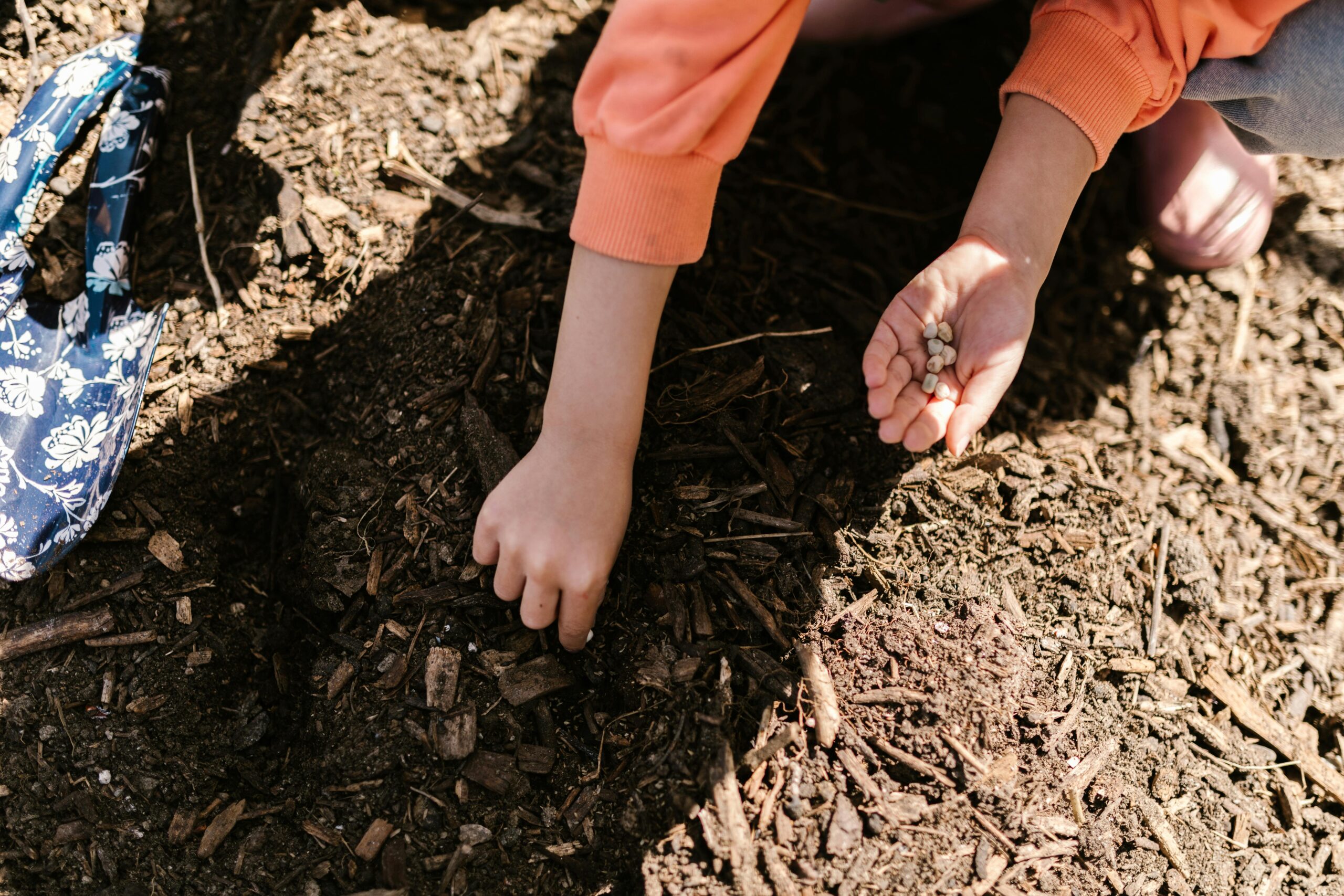
Plant the seeds: Follow the instructions on the seed packet for proper planting depth and spacing. Encourage your child to dig small holes and gently place the seeds inside.

Water and care: Teach children the importance of watering their seeds regularly and providing adequate sunlight. This fosters a sense of responsibility and care.

Track progress: Keep a journal or chart to record the growth of the plants. This allows kids to observe and learn about the different stages of plant development.

Nature Scavenger Hunt.

Create a list of items commonly found in nature, such as flowers, rocks, plants or insects.

Take your kids on a scavenger hunt in your garden, a local park, or local woodlands area.

Encourage them to use their senses to observe and appreciate the natural world around them.

DIY Bird Feeders

Use pinecones, peanut butter, and birdseed to make homemade bird feeders.

Hang the feeders in your yard and watch as birds flock to enjoy the treats.

You can then teach your children about different bird species and their behaviours. (Like Seagulls eating your chips!

Outdoor Art

Take advantage of the warmer weather by bringing art projects outdoors.

Set up a painting or chalk station in your garden or at a local park.

Encourage your children to create nature-inspired artwork using leaves, flowers, and other found objects as stencils or paintbrushes.

Nature Walk and Journaling

Go for a leisurely nature walk with your children and encourage them to observe and document their surroundings.

Provide them with a journal or sketchbook to draw pictures, write descriptions, or press flowers and leaves they find along the way.

This activity fosters a deeper connection to nature and encourages mindfulness. The added fresh air will send them into a lovely, restorative sleep that night too.

Outdoor Picnic

Pack a picnic basket with your children's favourite snacks and fruits!

Find a scenic spot in nature, such as a park, beach, or garden, to enjoy your picnic together.

Take this opportunity to relax, play games such as I-Spy and bond as a family amidst the beauty of springtime.

Benefits of Spring Gardening Activities & Being Outdoors:

Educational: Children learn about plant life cycles, ecosystems, and the importance of biodiversity.

Environmental awareness: Engaging in gardening fosters an appreciation for nature and encourages sustainable practices.

Physical activity: Outdoor gardening activities promote exercise and sensory stimulation.

Creativity: Kids can express themselves by designing their garden layouts and choosing colorful flowers or plants to grow.

Spring is a magical season filled with new beginnings and opportunities for outdoor adventures. By engaging in hands-on activities like seed bombs, nature scavenger hunts, and gardening, parents can create meaningful experiences that foster curiosity, creativity, and connection with their children. So, grab your most likely rain jacket and wellies and embrace what is on your doorstep.

5 Reasons Why Outdoor Childcare is the Future : A Closer Look at The Wild Outdoors Childcare

In today's fast-paced digital world, the importance of outdoor play in a child's development cannot be overstated. At The Wild Outdoors Childcare, we're pioneering a future where childcare transcends traditional indoor settings, embracing the vast, open expanse of nature as our classroom.

Operating from prestigious locations such as St Georges Girls' School, Loretto, Fettes College, Cargilfield, and Edinburgh Academy, we offer an enriching blend of adventure and learning through a variety of outdoor activities. Here's why outdoor childcare, exemplified by our camps, is an essential investment in our children's future.

1. Promotes Physical Health

Our array of activities, from archery to go-karts, zorbs, and water battles, are designed to engage every child in physical exercise, crucial for developing strength, coordination, and overall health. Activities like slip and slide and inflatables ensure that fun and fitness go hand in hand, combating the sedentary lifestyle that's become all too common.

LOTS OF FUN ACTIVITIES

GET OUTDOORS

2. Enhances Mental Well-being

The great outdoors is a natural stress reliever, vital for the mental health of children growing up in a world of screens. Engaging in outdoor play at locations like Fettes College and Edinburgh Academy allows children to experience freedom, leading to improved mood, reduced anxiety, and a unique sense of tranquillity only nature can provide.

3. Fosters Independence and Social Skills

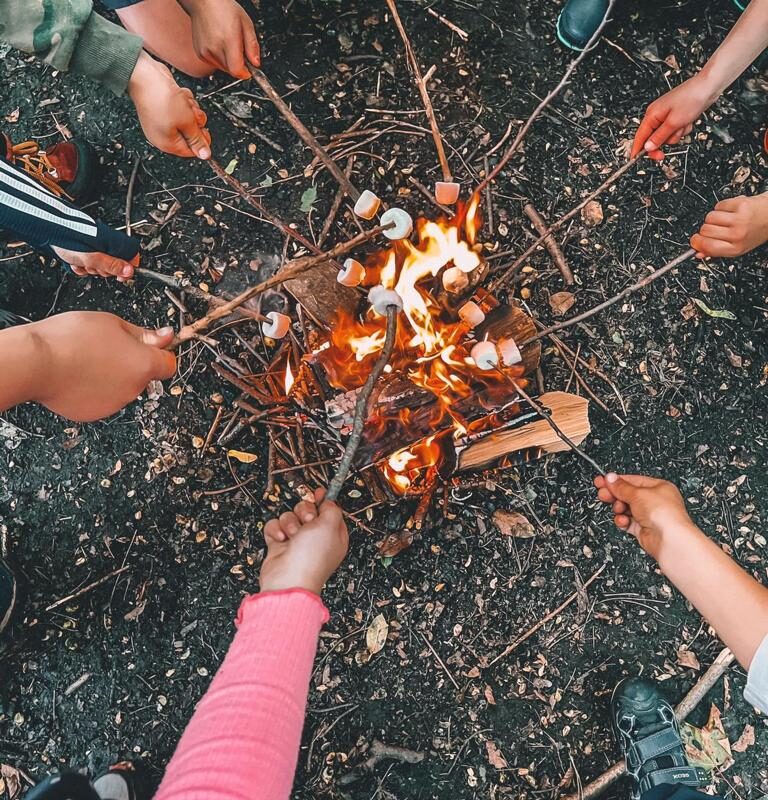
Childcare isn't just about keeping children safe; it's about nurturing their future. Our programs like bushcraft skills and roasting marshmallows are crafted to teach independence, while team-based activities such as gel blasters and lawn games build social skills. Children learn to trust their abilities, make decisions, and collaborate towards common goals.

MAKE NEW FRIENDS

Fun in the fresh air

4. Connects with Nature

In today’s urbanized lifestyle, a disconnect from nature is a growing concern. Our camps at Loretto and Cargilfield School offer an immersive experience in the outdoors, teaching children the value of the environment, wildlife, and sustainability through hands-on activities like tomahawk throwing and exploring the natural world.

5. Aligns with Modern Childcare Philosophies

Modern childcare philosophies emphasize holistic development—intellectual, physical, emotional, and social. The Wild Outdoors Childcare embodies this by providing a safe, stimulating environment where children can explore, learn, and grow. Our diverse range of activities ensures that every child finds something they love, encouraging a lifelong passion for the outdoors.

exercise their grey matter

Embracing the Future

At The Wild Outdoors Childcare, we believe that outdoor childcare is not just a service but a community where children thrive, build lasting memories, and develop the skills necessary for a bright future. Our commitment to this vision is reflected in our choice of locations, activities, and the ethos of our programs.

For more information on how your child can be a part of this adventure, contact us at info@thewildoutdoors.org. Let's take this step together towards a healthier, happier, and more connected future for our children.

Got questions?
We would love to talk

this is a test for the referrel coupon

We accept childcare vouchers!

If you receive child vouchers, we can now convert them into credit to use on Wild Outdoors Camps.

Simply go to our contact page and select the childcare vouchers option in the subject, then send us an email with your contact details and who your provider is and how much you would like. We can then add credit to your wallet for you to book when you would like.

Contact us